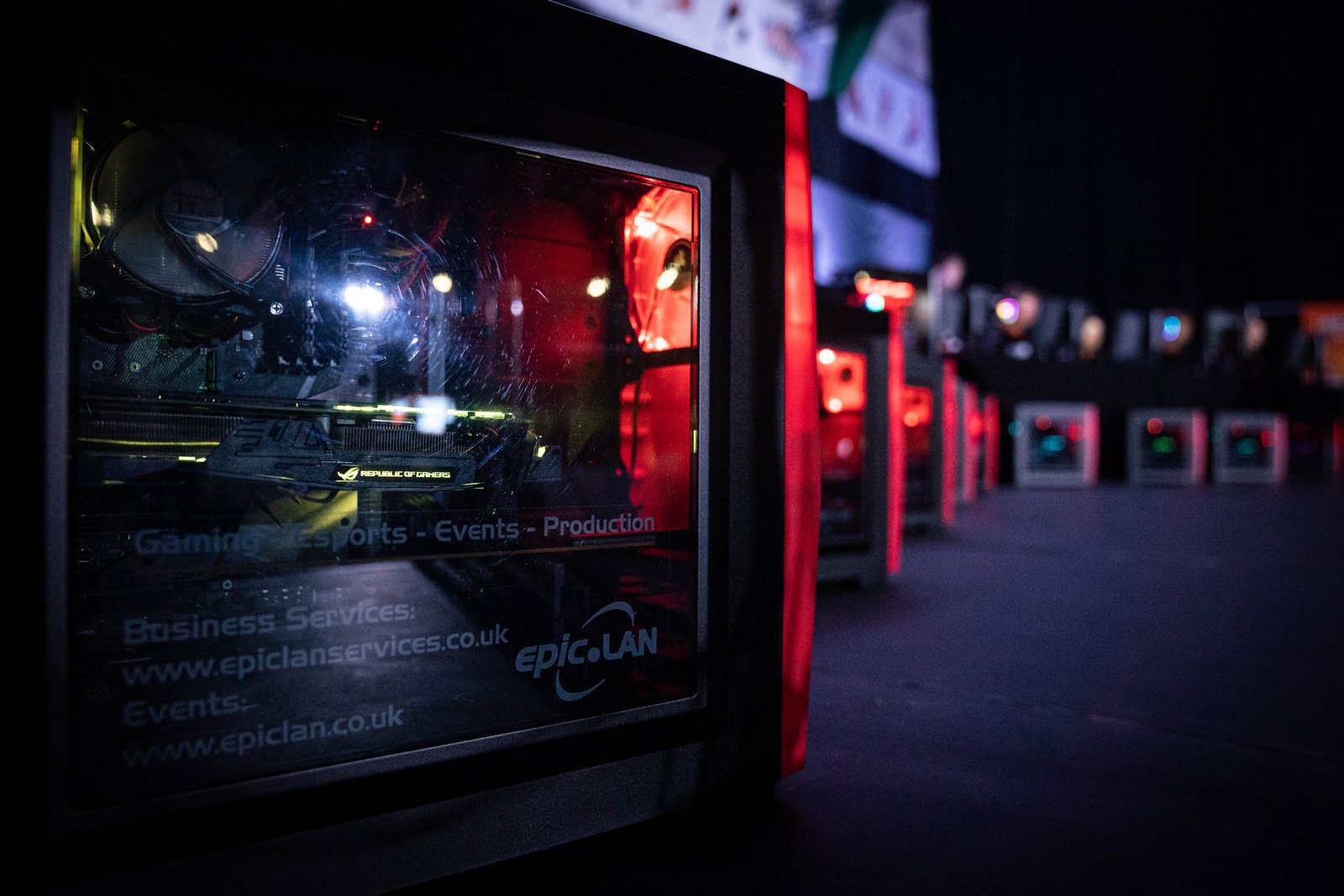
Hosting esports tournaments is a huge undertaking, requiring careful planning to ensure software, streaming and game formats all work together seamlessly. As a team of esports producers with more than 22 years of experience, we’ve put together this advice to help you bring your event to life.
Define Your Tournament Goals and Format
The best plans start with goals. Scout around at other gaming events to see how different hosts meet objectives like fundraising, community cohesion, talent discovery, or the sheer pleasure of gaming. Some events charge high ticket prices, while others offer a free experience for marketing purposes.
Why do you want to host a tournament?
Once you get clear on your goals, you can make clear decisions about the format and set-up of your event. Choose an objective, such as:
- Fundraising, for a charity, club or your business
- Attracting sponsors or discovering players for your team by creating a chance to shine
- Creating a fun experience for your local gaming community
- Marketing your gaming product, whether software, hardware or something else
Each of these examples will measure success in completely different ways, which impacts the whole set-up. Setting goals helps you prioritise, which is especially important on a budget.
Who should be there?
Once you’ve defined what the tournament should achieve, think about your target audience. Do you want to encourage youth participation? Partner with relevant organisations to host your event in a way that reaches your desired audience. If you’re after high reach, invite streamers and content creators, and if you’re recruiting for a team, offer serious prizes.
Your audience will also define the scale and competitive level of your esports tournament. Is it casual fun to bring in new players, or a serious contest to attract dedicated competitors? It will also help you decide whether to be online or offline.
Plan Your Tournament Format and Operations
We’ll assume you already know what game your competition will focus on. This will guide the whole structure of the tournament.
Solo or Team?
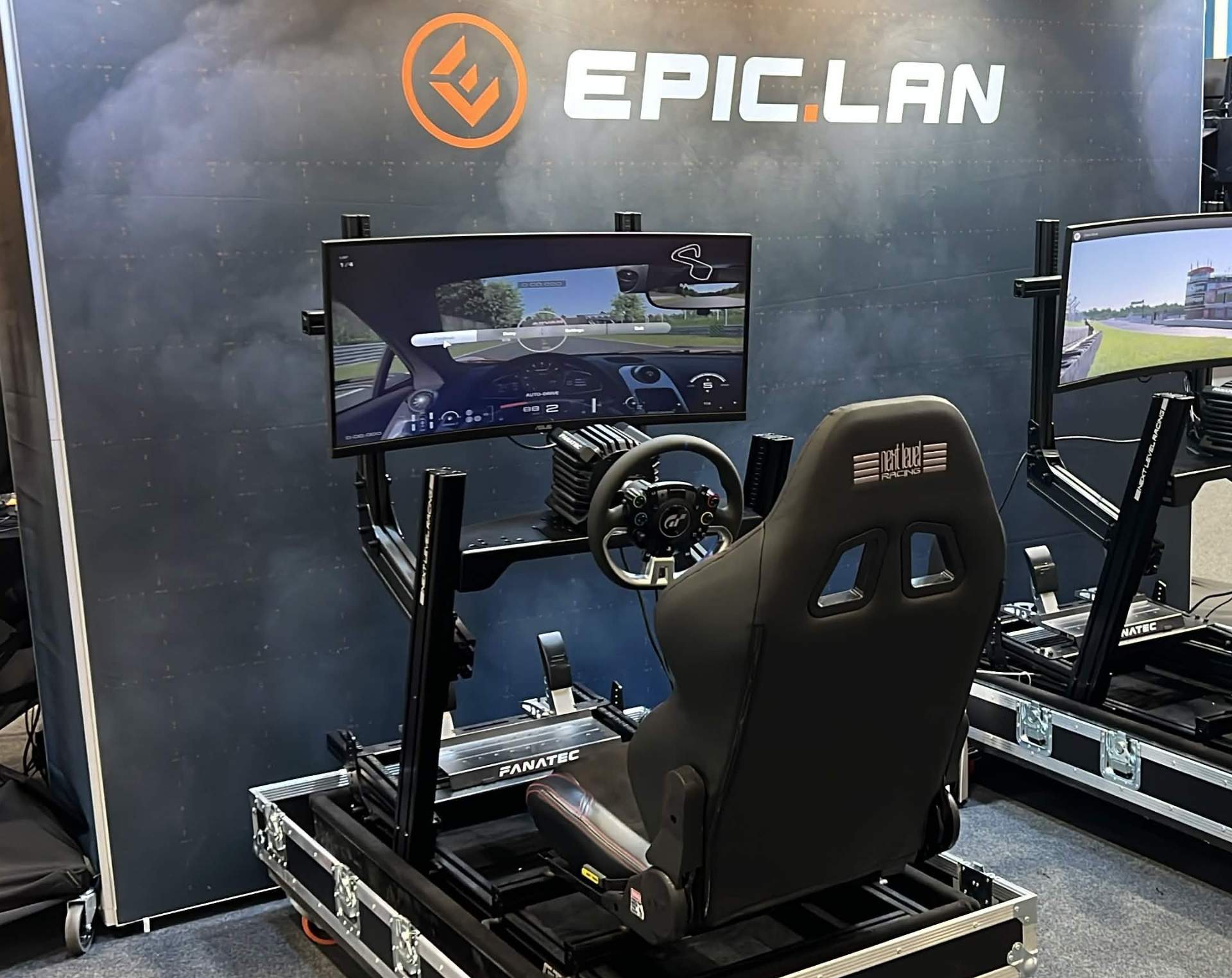
Solo tournaments are best for racing games, card games and real time strategy games (RTS), while team tournaments work well for first person shooters (FPS), sports games, cooperatives and multiplayer online battle arenas (MOBAs). This affects your tech setup and how players sign up, as they may have to register as a team or be assigned teams on arrival.
Tournament Format
Esports tournament formats will impact the schedule, so make this decision next.
- Single elimination is fast and efficient, best for events with high pools of participation, as one loss means elimination.
- Double elimination creates a bracket for losers of the first round, offering a second chance for a dramatic comeback. This means more matches.
- A round robin sees everyone play everyone once. Everyone has an equal number of chances to win, but it takes time. This is best for smaller, grassroots tournaments.
- The Swiss system takes a bit of admin to pair players or teams with opponents at a similar level to the initial rounds, but the effort is worthwhile for an efficient and fair system. Swiss does however rely on having an even number of teams to work effectively.
Often tournaments will use multiple tournament formats combined, for example a group round robin stage, culminating in a single or double elimination bracket to build up the hype to a huge grand final.
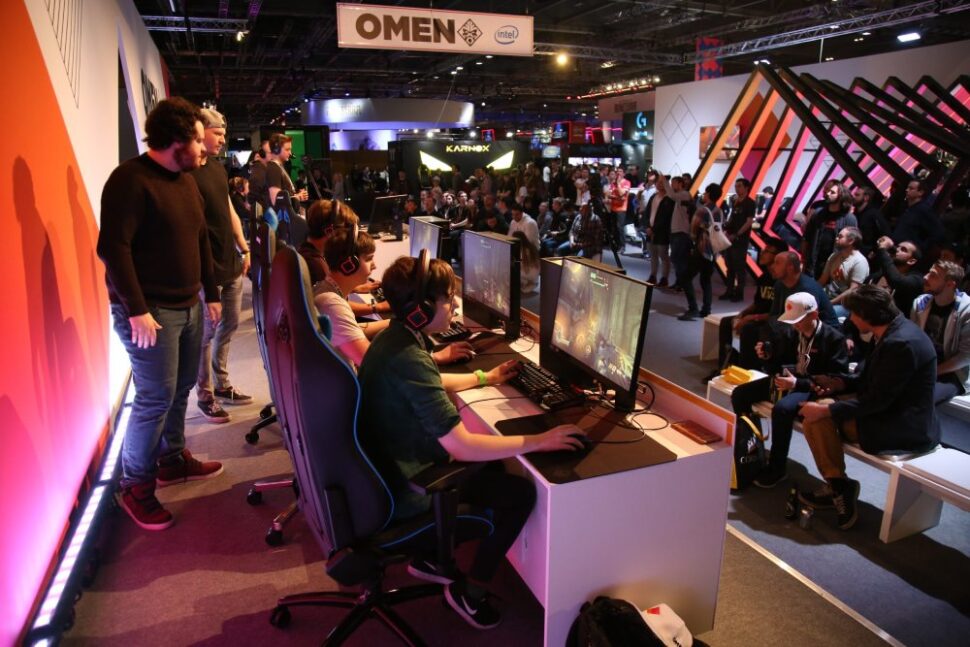
Scheduling Tips
- Account for the length of each game as well as time to reset the consoles or PCs between matches.
- Include breaks every few hours
- Build in buffer time for technical issues and delays
- Online events should consider time zones when setting match times and ensure that players are not located too geographically apart to avoid ping and latency issues.
Choose the Right Venue and Technical Setup
Now that you know what you’re playing, why, for how long and how the event will run, you can start getting into the practical elements.
Venue
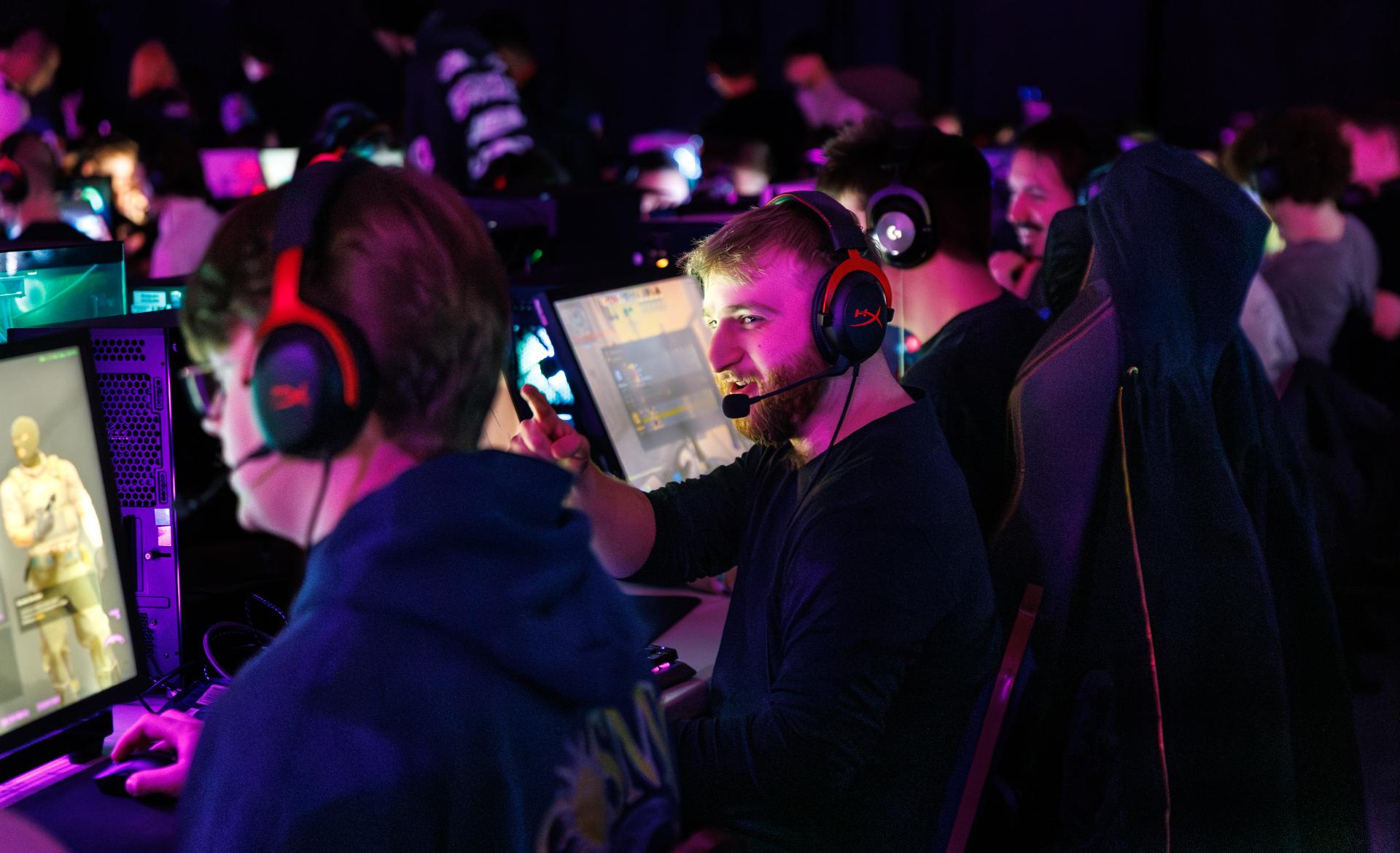
Offline tournaments need a venue – with power. Make sure the venue is big enough for your audience, as well as equipment. Estimate 2-3m square for each station. Small tournaments can usually fit in a community hall or local event space, whereas the largest events book out conference centres and arenas to accommodate the scale. Live audiences will need plenty of seating, so you might choose a theatre with a large stage to accommodate gamers.
Hardware
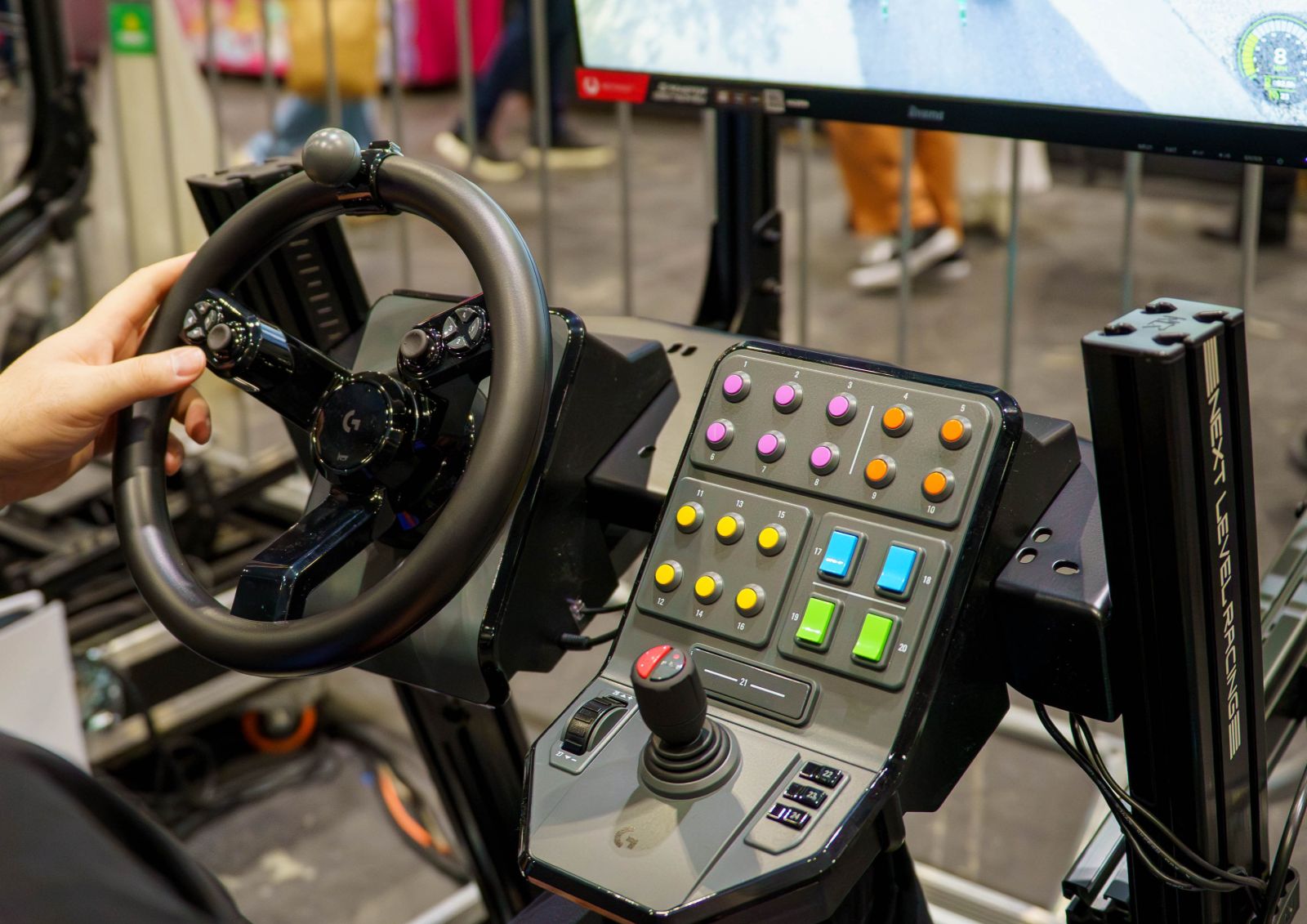
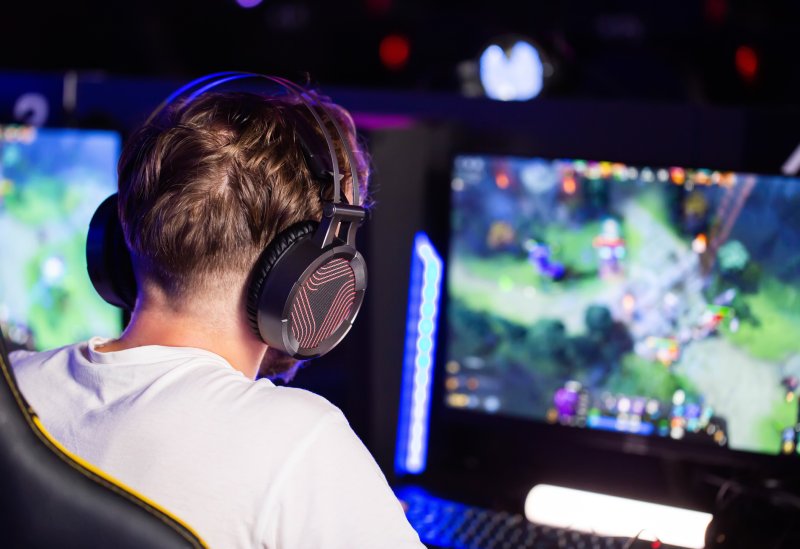
Consider hardware. You’ll need enough PCs, consoles, monitors, headsets, controllers and a strong enough network system to manage the scale without lag. With a live audience, consider large-scale screens that will display the key matches and commentary.
For any more than 10 participants, you’ll need a better system than a community spreadsheet. Tournament management platforms can handle registration, leaderboards, bracket generation and match reports.
Gaming equipment hire is the most efficient way to source all your consoles, monitors, PCs and peripherals, and hire companies can often provide streaming and software as part of a package.
Streaming and Broadcast Production
A lot of tournament organisers have a preferred streaming or broadcast platform, such as Twitch, Kick or YouTube.
If you’re designing your event for streamers, you can provide a streaming zone with hired webcams, mics and other streaming kit to help creators live-stream from your event. This also raises awareness of your organisation through their audiences, so we’d recommend it.
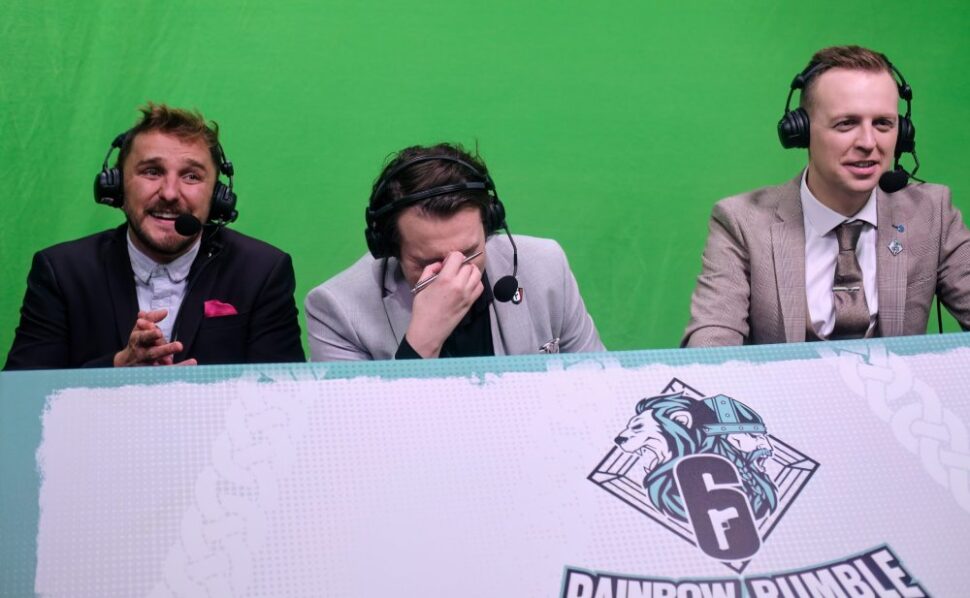
Organisers who use our esports broadcast services can also benefit from professional commentary to keep matches engaging for your audience. We also offer full production management, including branded overlays on your event stream and routing video feeds for remote players.
Test Your Equipment and Run Practice Matches
Make sure all hardware and networking is tested to identify any problems. Post-setup trial matches are standard practice to help your operations team flag any problems. Routine testing should be provided with equipment hire and esports operations services.
Manage the Tournament Live
You’re ready to go, but the work isn’t done. On-the-day operations include match management, player support and tech troubleshooting.
Tournament Operations requires excellent rulebook design, communication and refereeing. Appoint an appropriate number of administrators (or referees) to actively support during the tournament, based on the number of players. Make sure somebody is also managing the tournament software within their role.
You’ll also need technical support to resolve platform and connection issues quickly, and a stream producer to manage broadcasts.
You may also want to consider chat moderators for tools such as Discord or Twitch to ensure that viewers are behaving appropriately in chat.
Why Partner with EPIC.LAN to Set Up Your Esports Tournament
With 22+ years running gaming and esports events, LAN parties and charity tournaments, we have a completely flexible offering. We can provide hardware leasing and production services to help make your tournament run smoothly. We know precisely how to set up an esports tournament that prioritises player experience and builds towards your goals.
EPIC.LAN can provide event planning, operations management, broadcast production or equipment hire, or all of the above. We have a proven track record of supporting successful tournaments, from community LANs to major esports events by Ubisoft, NSE and the British Esports Championships. Check out our projects portfolio to see what we can achieve for your event.
Get in touch with EPIC.LAN to see how we can help with your next event, broadcast or project.