Attending your first exhibition is an exciting opportunity to put your brand in front of a new audience, make valuable connections and showcase what your business has to offer. However, there’s plenty to organise before the doors open, from booking the right stand space and arranging equipment to briefing your team and following up with visitors afterwards.
With the right preparation, you can make your first exhibition a worthwhile experience for your brand and everyone who visits your stand.
We’ve put together this guide, including a practical first time exhibitor checklist, to help you plan your attendance at exhibitions and trade shows with confidence.

Choose the Right Event and Set Your Goals
Before committing to an exhibition, make sure it’s the right opportunity for your business. A busy event might sound promising, but visitor numbers alone won’t tell you whether you’ll reach the people who matter to your brand.
Research potential exhibitions and consider the following:
- Target audience: Does the event attract the types of customers, businesses or decision-makers you want to reach?
- Industry relevance: Is the exhibition focused on your sector, or does it attract a broader audience that could benefit from your products or services?
- Visitor profiles: Look at previous exhibitors, visitor information and the types of organisations attending.
- Exhibiting costs: Compare stand prices, available packages and additional expenses to understand the overall investment.
Once you’ve chosen your event, decide what you want to achieve. Your goals might include generating a certain number of qualified leads, arranging meetings with prospective clients, delivering product demonstrations or increasing brand awareness.
Give yourself measurable targets wherever possible. They’ll help you plan your stand around clear objectives and assess how successful the exhibition was afterwards.
Check Your Booking and Event Rules
Exhibitions come with their own booking requirements, venue regulations and important deadlines. Understanding these early will save you plenty of headaches when you start planning your stand.
One of the first things to check is whether you’re booking a shell scheme or space-only stand.
- Shell scheme: Typically includes a basic stand structure with walls or panels, although flooring, furniture, lighting and electrical connections may cost extra.
- Space only: Provides an allocated area for you to arrange your own stand build, giving you greater flexibility over the design but also more responsibility for organising it.
Your exhibition organiser should provide an exhibitor manual explaining the requirements for your event. Read it carefully and make note of anything that affects your plans, including stand dimensions, build and breakdown access, approved contractors, safety documentation and submission deadlines.
You’ll also need to check the venue’s restrictions before finalising your layout or equipment. These could include maximum stand heights, sound limits, electrical requirements, internet arrangements and rules around interactive installations.

Budget for Your Stand, Team and Logistics
Your stand booking is only one part of the overall exhibition budget. You’ll also need to account for everything required to get your team and equipment to the venue, set up your space and operate it throughout the event.
Your budget should consider:
- Stand space, construction and branding
- Display equipment, furniture and any interactive experiences
- Electrical connections, networking and other venue services
- Staffing, accommodation, travel and refreshments
- Equipment transportation, storage, installation and collection
- Promotional materials and any additional marketing activity
It’s worth allowing some flexibility for unexpected expenses too.
Once you’ve established your budget, assign responsibilities across your team and suppliers. Make it clear who’s organising deliveries, arranging access to the venue, overseeing installation and testing equipment. You should also know who’s responsible for dismantling the stand and collecting everything once the exhibition finishes.
Having these responsibilities agreed in advance will make the setup process much easier to manage.
Plan an Engaging Exhibition Stand
Your exhibition stand needs to communicate what your business does while giving visitors a reason to stop and engage with your team.
Start with clear, recognisable branding. Visitors should be able to identify your company and understand what you’re offering without having to ask. Your messaging should be easy to read, particularly for people passing your stand in a busy exhibition hall.
Think carefully about how people will move through the space. Keep entrances accessible, avoid cluttering walkways and leave enough room for conversations or product demonstrations.
Interactive experiences can be very effective for encouraging visitors to spend time at your stand. Depending on your brand and audience, you could consider:
- Product demonstrations: Give visitors a chance to see how your products work and ask questions.
- Interactive displays: Use touchscreens or digital content to let visitors explore your services.
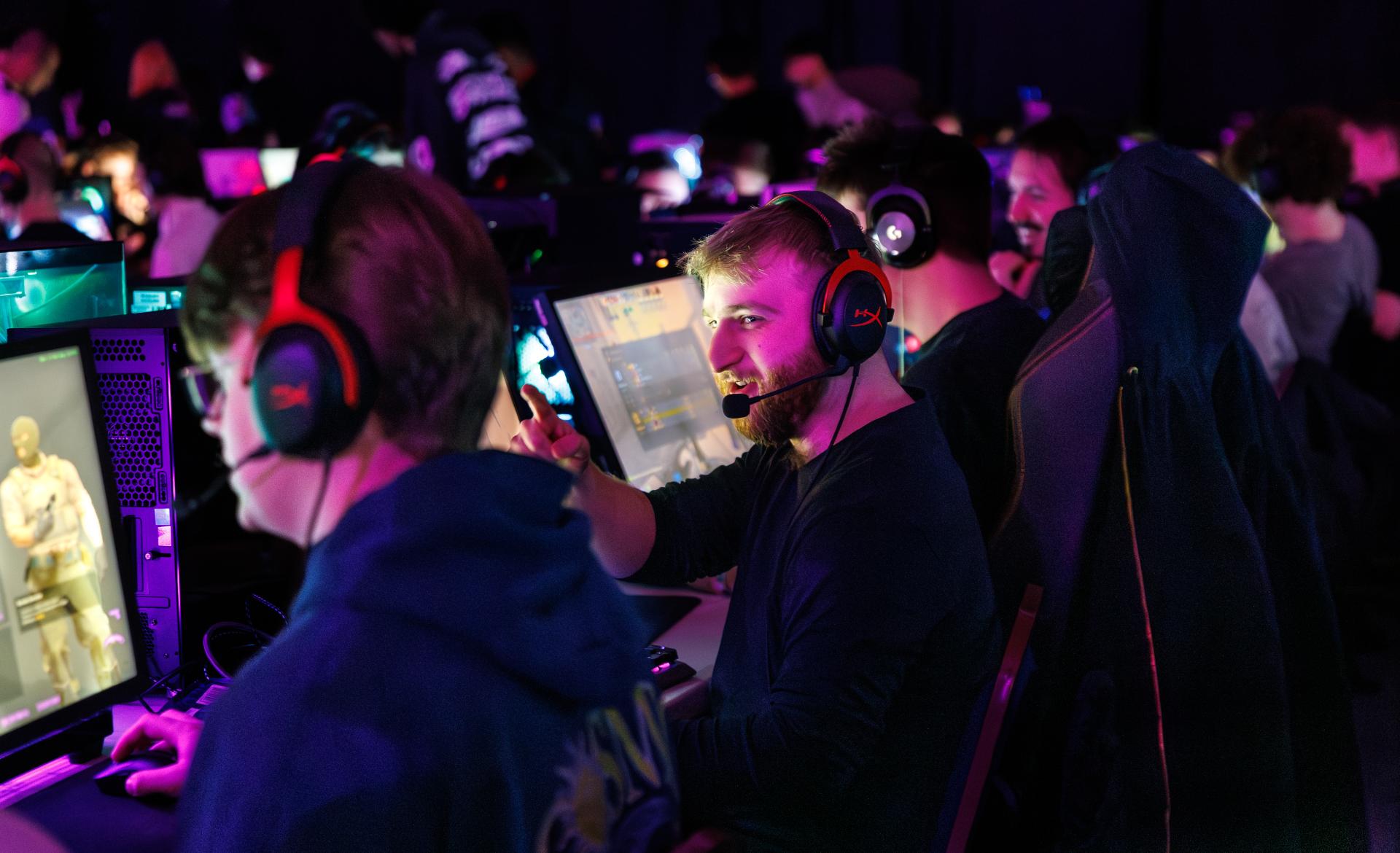
- Gaming experiences: Introduce gaming stations or friendly competitions that encourage people to get involved.
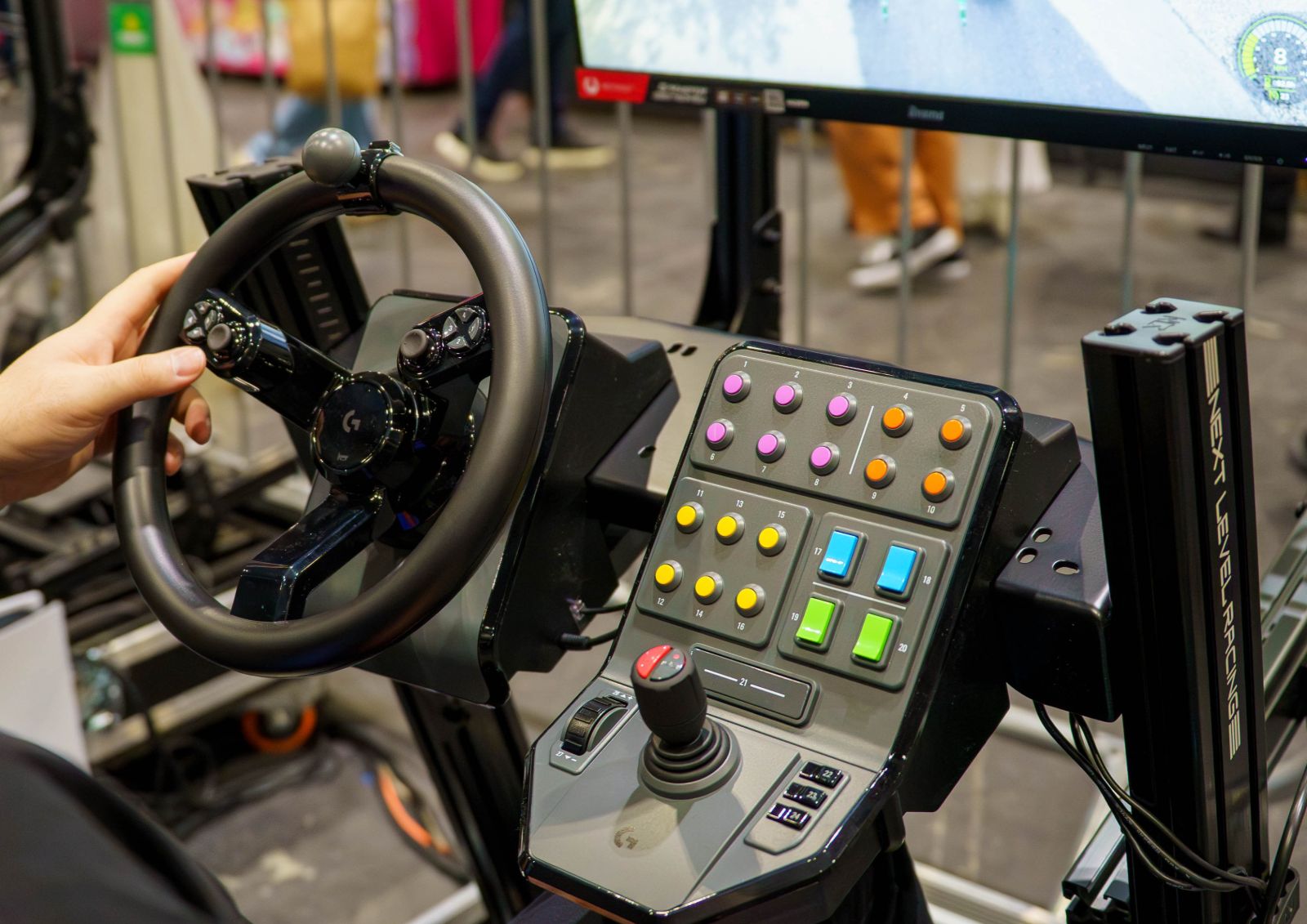
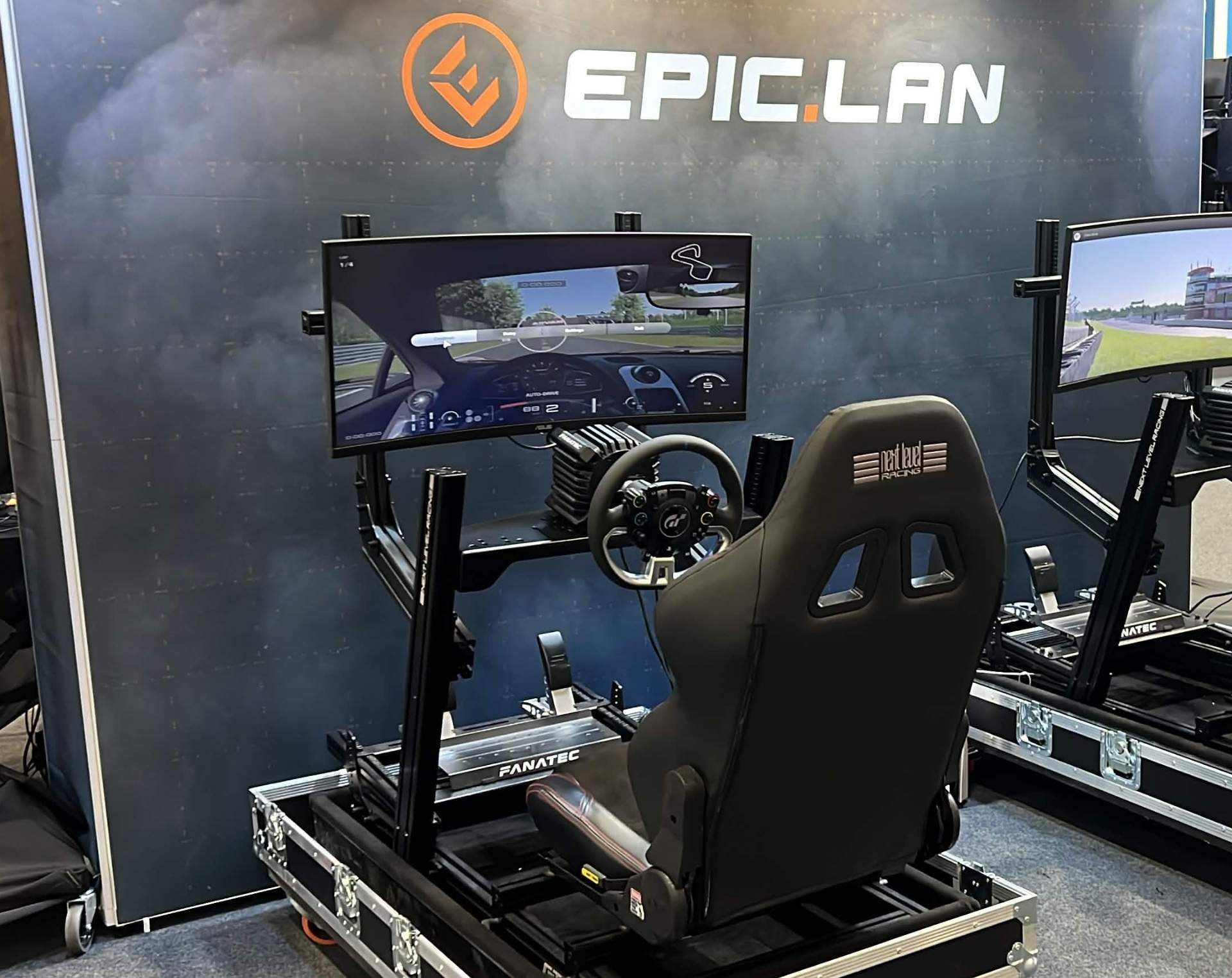
- Racing simulators: Create an engaging challenge where visitors can compete for the fastest lap.
The activity should always have a purpose that connects to your exhibition goals. A busy stand is great, but you also want visitors to remember your brand and understand why they should speak to you.

Test Your Setup Before the Show
If your exhibition stand relies on technology, it’s important to know that everything works before visitors arrive. A screen that won’t connect or a demonstration that fails to launch can quickly interrupt your plans.
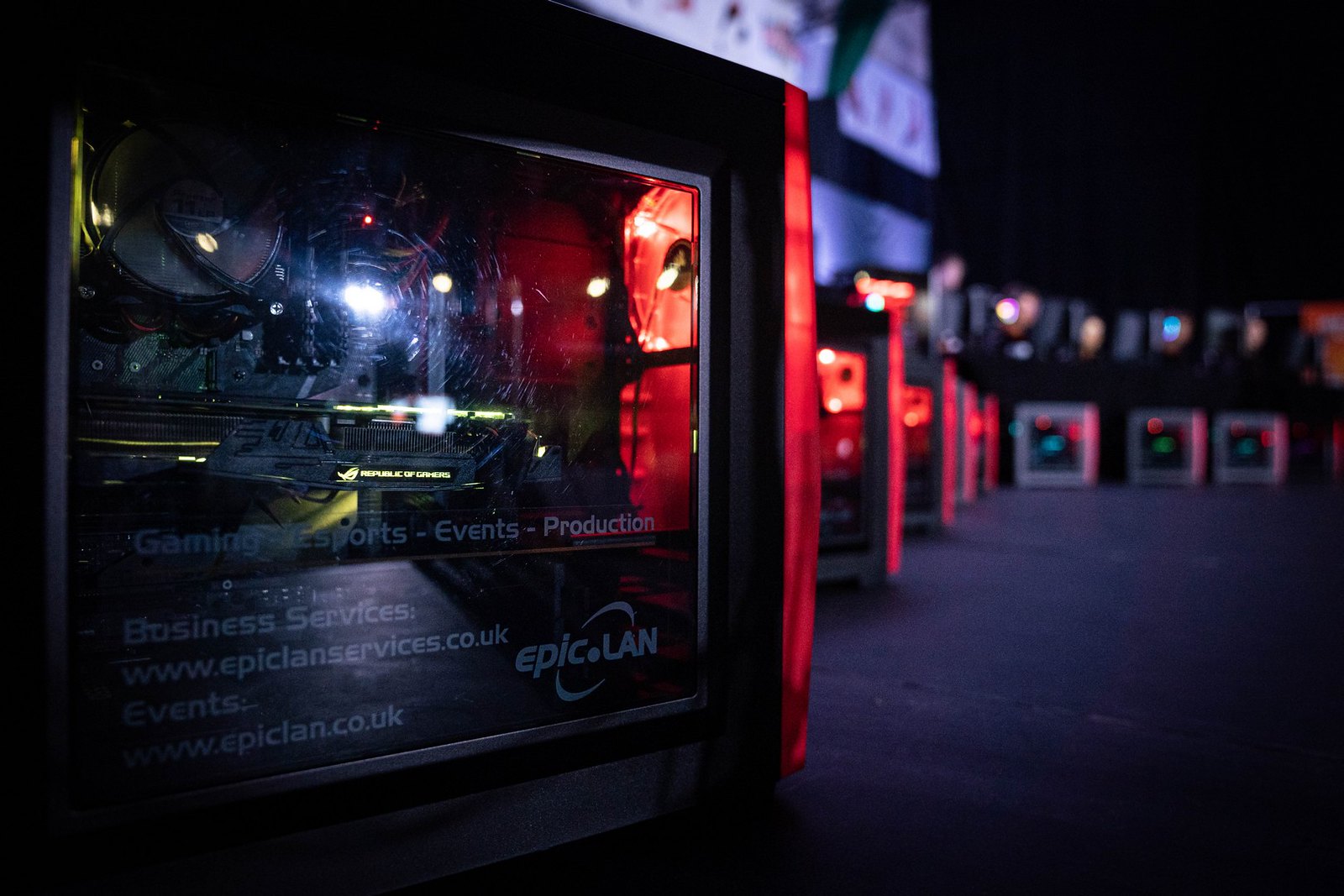
Depending on your stand design, you might need screens and monitors to display promotional content, PCs to run demonstrations, networking equipment for connected experiences or audio equipment for presentations and interactive activities.
You’ll also need to confirm that sufficient electrical power is available and that the venue can support your planned equipment.
For brands looking to make their stand more interactive, gaming PCs can provide an opportunity for visitors to try a branded game or participate in a short challenge. Alternatively, racing simulators can introduce some friendly competition and encourage people to gather round your stand.
If you’re planning an interactive activity, keep the visitor experience straightforward. People should be able to understand how to participate within a few moments, without needing a lengthy explanation.
You’ll also need to consider how queues will work during busy periods. Think about how long each activity takes, where visitors will wait and how your team will manage the experience without blocking neighbouring stands.
Before the exhibition begins, test every element of your setup, including:
- Screens, PCs and any connected equipment
- Internet access and networking connections
- Audio levels and presentation content
- Demonstrations and interactive experiences
- Backup equipment, files or alternative activities
Finally, make sure everyone knows who’s responsible for setup and technical support. Having experienced technicians available during the exhibition can be particularly valuable if something needs adjusting or an unexpected issue occurs.

Promote Your Attendance and Brief the Stand Team
Don’t leave it until the exhibition opens to let people know you’re attending. Promoting your presence beforehand can encourage existing contacts and prospective customers to visit your stand.
Use social media channels, email marketing and your website to share details of the exhibition, explain what visitors can expect and make your stand number easy to find.
You could also arrange meetings in advance with contacts who are planning to attend. Having some conversations already booked gives your team a useful starting point for the event.
Your stand team should be equally prepared. Everyone representing your brand needs to understand the goals of the exhibition and what their role involves.
Before the event, agree on:
- Staff responsibilities: Who will greet visitors, deliver demonstrations and handle more detailed enquiries?
- Shift coverage: How will you manage breaks and busy periods without leaving the stand unattended?
- Brand messaging: Can everyone explain what your business offers in a short, natural introduction?
- Follow-up responsibilities: Who will contact interested visitors after the exhibition, and when?
It’s also worth having a plan for questions your team can’t answer immediately. Recording the enquiry and arranging a follow-up is better than leaving a potential customer without a clear next step.
First Time Exhibitor Checklist
Suffice to say, there’s quite a lot to remember when preparing your first exhibition. To make things easier, we’ve put together this exhibition checklist for exhibitors, covering the key tasks before, during and after the event.
Before Booking Your Stand
- Confirm that the exhibition attracts your target audience.
- Set clear objectives and establish your overall budget.
- Compare stand packages, locations and available space on the exhibition floor plan.
- Record what’s included in your booking, important deadlines and organiser contact details in a shared planning document.
After Booking Your Space
- Read the exhibitor manual and review the venue’s rules.
- Order electrical power, internet access and any other approved venue services before the deadlines.
- Finalise your stand design and approved branding and graphics.
- Arrange demonstrations, interactive experiences and equipment hire.
- Confirm deliveries, installation, storage and collection arrangements.
- Complete the required safety paperwork and contractor documentation.
- Assign stand staff and agree on everyone’s responsibilities.
- Prepare promotional content to announce your attendance.
- Set up a process for recording leads, consent and follow-up actions.
During the Final Week and on Event Day
- Review your packing list and check that all required equipment is accounted for.
- Confirm equipment specifications, access passes, transport schedules and supplier contact details.
- Check that all team members know when and where they need to arrive.
- Build the stand and inspect the layout, branding and visitor access.
- Test power, connectivity, screens, presentations and interactive experiences before the exhibition opens.
- Brief your team on schedules, key messages and visitor engagement.
- Confirm who will handle technical issues and how to contact them during the event.
After the Exhibition
- Follow up with contacts using the notes recorded during the exhibition.
- Assign enquiries and next actions to the appropriate team members.
- Review qualified leads, meetings, demonstrations and visitor engagement against your original objectives.
- Gather feedback from the stand team and relevant suppliers.
- Document what worked well and what could be improved for your next exhibition.
Keep this checklist accessible to everyone involved in the event. A shared document and resources makes it easier to track progress, update responsibilities and avoid missing important deadlines.

How EPIC.LAN Can Support Your First Exhibition
Planning your first exhibition can feel like a big undertaking, especially when you’re introducing interactive technology or a branded experience to your stand. That’s where our team at EPIC.LAN can lend a hand.
We’ve been organising gaming events since 2003, building extensive experience in technical planning, equipment hire, event logistics and live operations. As experienced gaming event management specialists, we understand what goes into preparing an event space, coordinating suppliers and keeping technical setups running on the day.
We also help businesses create engaging brand activations for exhibitions and corporate events. From gaming stations and racing simulators to display equipment and technical support, we can help you develop an interactive experience that suits your brand, available space and audience.
Our team can support you with planning, equipment delivery, installation, testing and on-site operation, taking care of the technical details while you focus on meeting visitors and representing your business.
Ready to start planning your first exhibition? Tell us about your ideas and what you’re hoping to achieve by filling out our project form. We’d love to hear what you have in mind and help you bring it to life!